

Now Reading: Ian Miles Cheong: Career and Social Media Rise
-
01
Ian Miles Cheong: Career and Social Media Rise

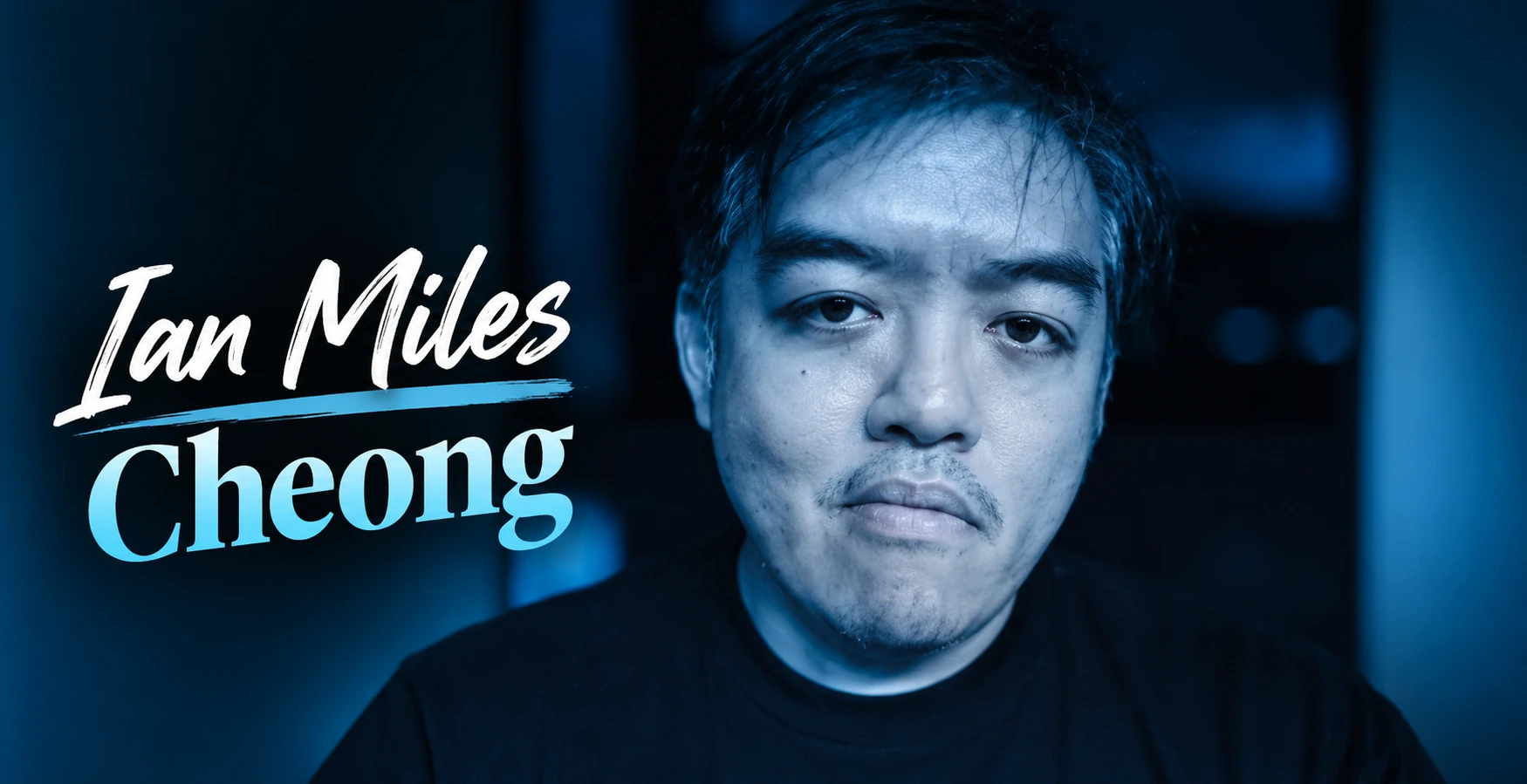
Ian Miles Cheong is a Malaysian-born social media commentator and writer known for discussing American politics, world affairs, technology and internet culture. He has built a large following on X, where his posts about breaking news and political debates regularly attract significant attention.
Before becoming known for political commentary, Cheong was involved in gaming journalism and online communities. His career later moved towards political and cultural topics, giving him an international audience. Although earlier reports linked him with Ipoh, Malaysia, more recent information indicates that he has been based in Dubai.
Who is Ian Miles Cheong?
Ian Miles Cheong is an online commentator whose public profile has developed mainly through social media. He is Malaysian-born, although much of his content focuses on events in the United States and other Western countries.
His online presence stretches back to the early 2010s. Over time, he moved from gaming and internet culture into political commentary, eventually becoming a widely followed and often debated figure on X.
Early career
Cheong was involved in gaming journalism before politics became the main focus of his public work. He was associated with gaming website Gameranx and participated in major online communities, including Reddit.
This early experience gave him an established presence in digital culture. As political discussions became increasingly important across social media, his content gradually shifted towards politics, free speech, technology and international events.
Ian Miles Cheong and politics
Cheong is commonly described in media coverage as a right-wing or conservative commentator. His posts frequently discuss American politics, crime, protests, cultural debates, technology and international conflicts.
Despite his strong interest in American affairs, Cheong is not American. He has argued that events in the United States can affect people around the world, making American politics relevant to commentators living in other countries.
Popularity on X
X, formerly Twitter, is the platform most strongly connected with Ian Miles Cheong. His account, @stillgray, has attracted an audience of more than one million followers, allowing individual posts to reach large numbers of people.
Cheong frequently responds to breaking stories, videos and political developments. This rapid style helps generate engagement, although some of his interpretations and claims have also been challenged by critics and other users.
Work in digital media
Alongside social media, Cheong has contributed to different online media organisations. His past work has included contributions to outlets such as The Daily Caller and RT, while he has also been associated with Canadian outlet Rebel News.
His career reflects the changing nature of digital media. A commentator no longer needs to work exclusively for a major newspaper or television network to develop a sizeable international audience.
Ian Miles Cheong and Elon Musk
Cheong has gained additional visibility through online interactions involving Elon Musk. He regularly comments on Musk, X, technology and debates surrounding online speech.
One notable exchange came in 2024 after the attempted assassination of Donald Trump. Cheong encouraged Musk to strengthen his personal security, and Musk responded publicly by discussing threats that had reportedly been made against him.
Controversies
Cheong’s political commentary has made him a controversial figure. His views on international conflicts and Western politics have generated criticism as well as support from different sections of his online audience.
In 2024, Malaysian police reportedly investigated social media posts attributed to Cheong after a complaint was lodged. An investigation does not establish wrongdoing, so it is important to distinguish the reported investigation from any proven legal finding.
False death rumours
Cheong became the subject of an unusual viral story in February 2024. False posts claimed Malaysian authorities had executed him because of his political commentary. The story spread widely before being debunked, and Cheong himself responded to the claims.
Another false story appeared in March 2026, claiming Cheong had been killed by an Iranian missile in Dubai. The claim was also debunked, while Cheong subsequently shared footage showing himself at Dubai Mall.
Where does Ian Miles Cheong live?
Older media coverage described Cheong as living in Ipoh, Malaysia. This information remained widely repeated online for several years and became closely connected with descriptions of his background.
However, more recent reporting has described him as Dubai-based. His presence in Dubai was also supported by footage he posted there in March 2026. Therefore, Dubai represents the more recent publicly reported location, while Cheong remains Malaysian-born.
Why is Ian Miles Cheong famous?
Ian Miles Cheong became famous largely because of his ability to build a substantial audience around political and cultural commentary. His transition from gaming journalism to political social media demonstrates how online personalities can completely change the subjects associated with their public identities.
His location also makes his profile unusual. Despite being Malaysian-born and more recently associated with Dubai, he devotes considerable attention to American politics. This has made his nationality and location recurring subjects of online discussion.
Ian Miles Cheong and online influence
Cheong’s career highlights how political discussion has become increasingly international. Someone living thousands of kilometres away from an event can comment on it immediately and potentially reach millions of readers.
For Australian audiences, the same trend is easy to recognise across modern social media. Political and cultural conversations are no longer restricted by national borders, meaning Australians regularly encounter commentary produced in the United States, Asia, Europe and the Middle East.
Conclusion
Ian Miles Cheong is a Malaysian-born writer and social media commentator who has moved from gaming journalism into international political commentary. His large presence on X has made him an influential voice within certain online political communities, while also attracting significant criticism and controversy.
His journey from gaming communities to a global social media audience illustrates how dramatically digital media has changed public commentary. With political information travelling quickly across borders, readers should distinguish commentary from verified reporting and check reliable sources when encountering major claims online.